

Into the Wild
Into the Wild
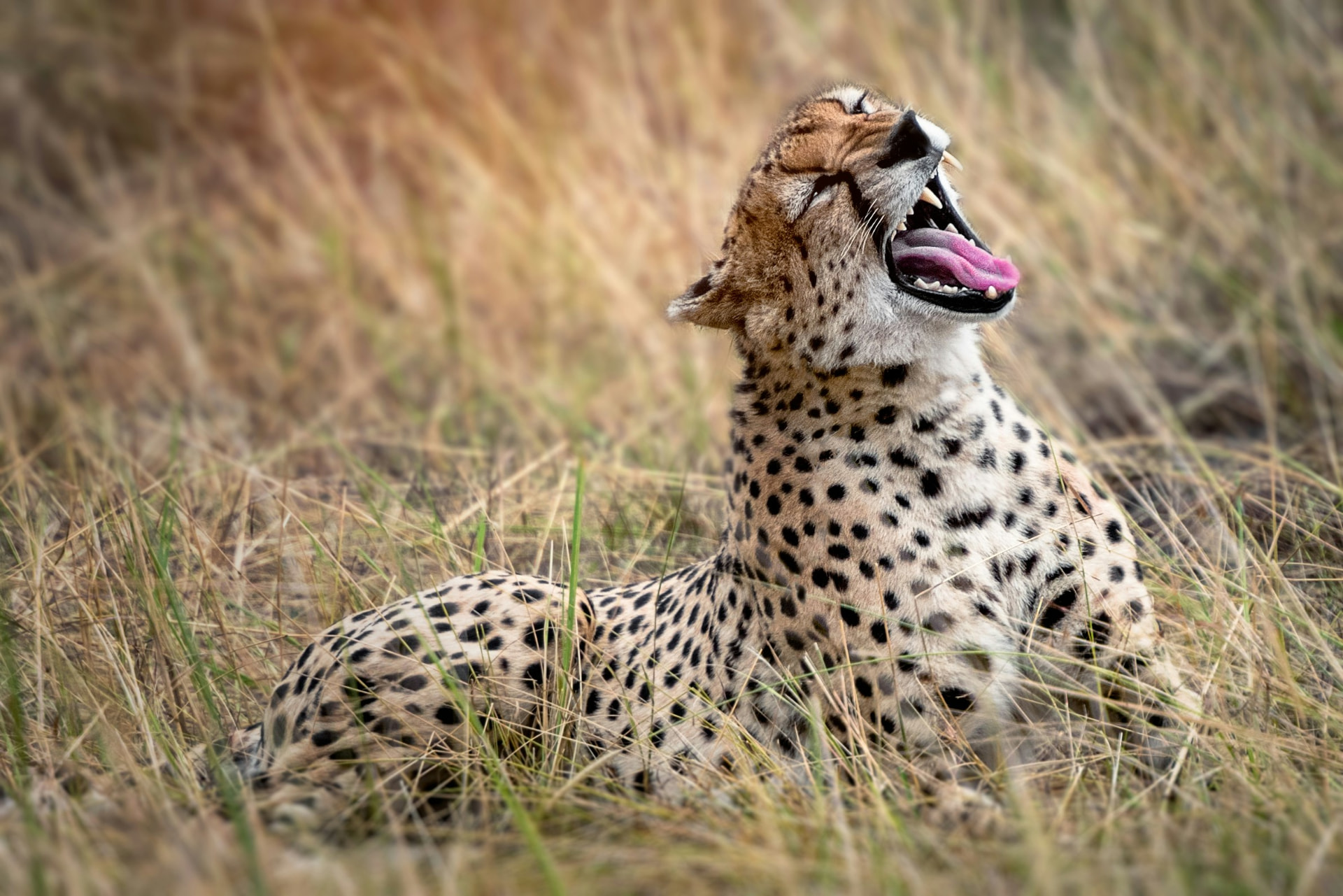
Northern Tanzania is often described as the heart of safari. But what makes it special goes far beyond wildlife alone: it is a region where nature, people and history are deeply connected, and understanding that connection changes the way the land is experienced.
The Land of the Maasai
The Land of the Maasai
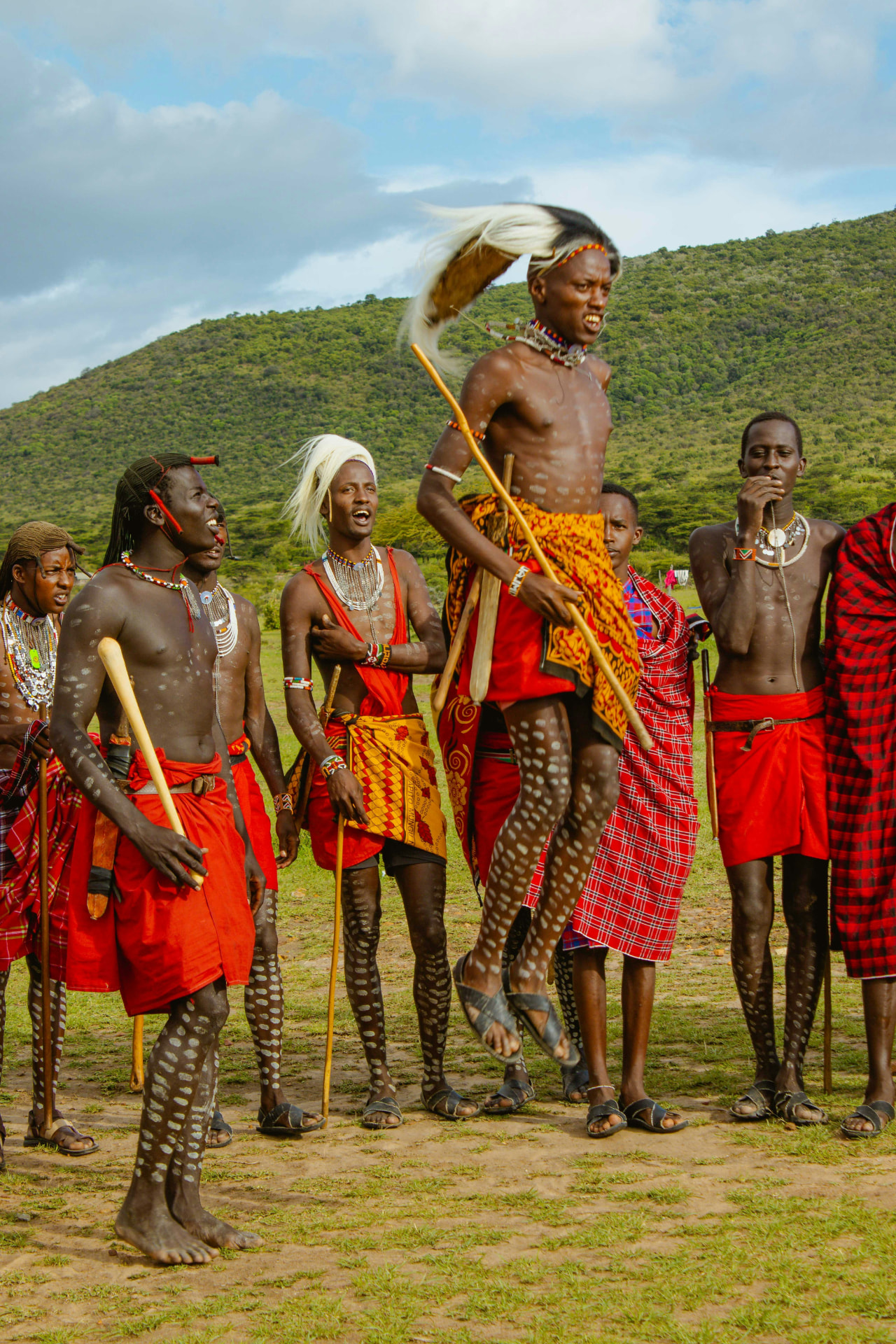
The Maasai are inseparable from Northern Tanzania's identity. For generations, their lives have followed these plains, guided by seasons, rainfall and the natural rhythm of the landscape.
Known across East Africa for their close relationship with the land, the Maasai read changes in grasslands, water and wildlife with a precision built over centuries of movement and observation.
Their presence is not history. It is visible today in villages, traditions and ceremonies still closely tied to the land, adding real cultural depth to any journey through the region.
The Big Five
The Big Five
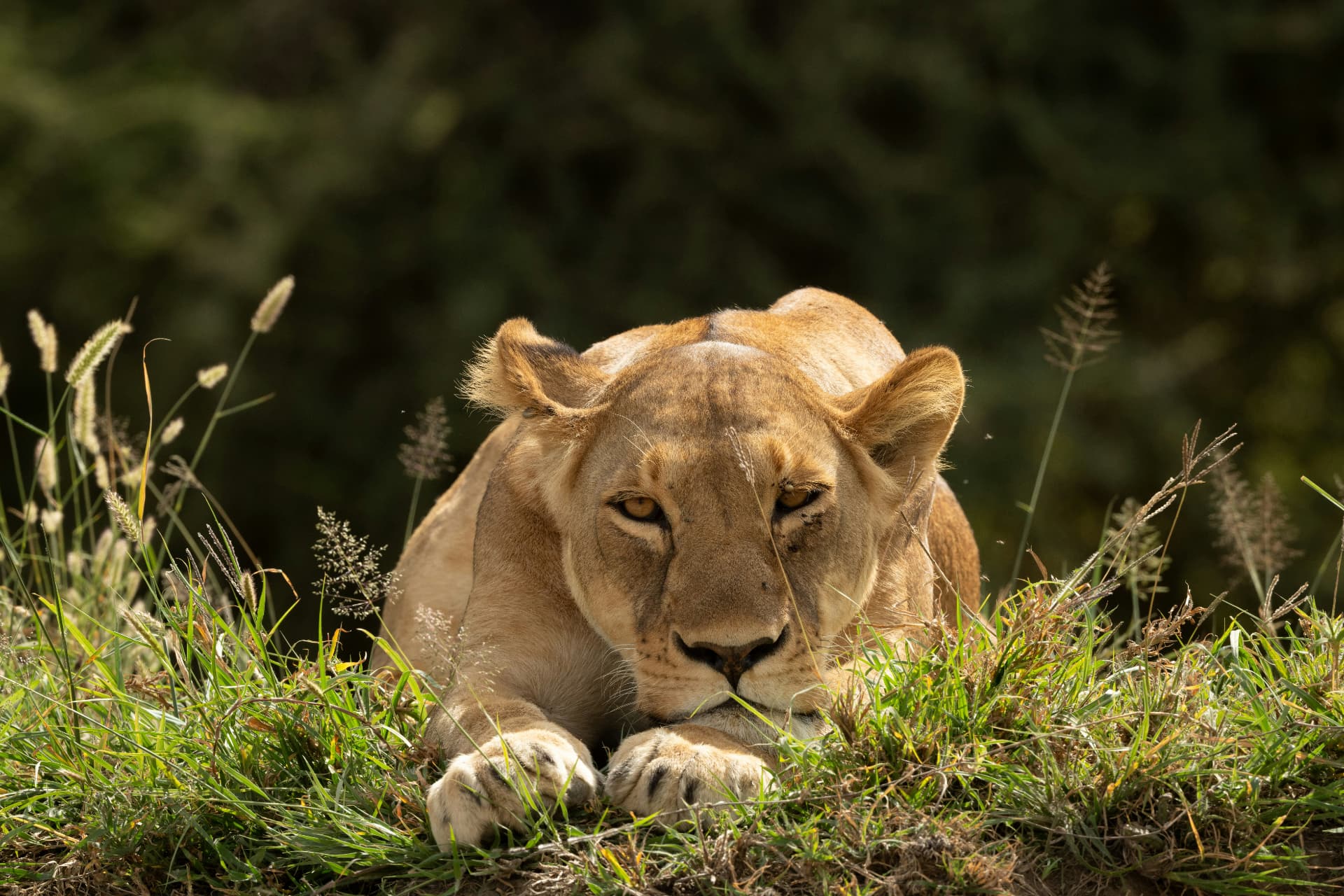
The term Big Five refers to lion, elephant, leopard, buffalo and rhinoceros, the five animals once considered hardest to track on foot during early safari expeditions.
Their meaning has since evolved. Today, the Big Five stand as symbols of the ecosystems that define Northern Tanzania, from the Serengeti plains to the Ngorongoro Crater.
Seeing them is rarely just luck. Each encounter is tied to something bigger: the landscape, the other animals, and the balance that holds the whole region together.
Mount Kilimanjaro
Mount Kilimanjaro and Life at Its Base
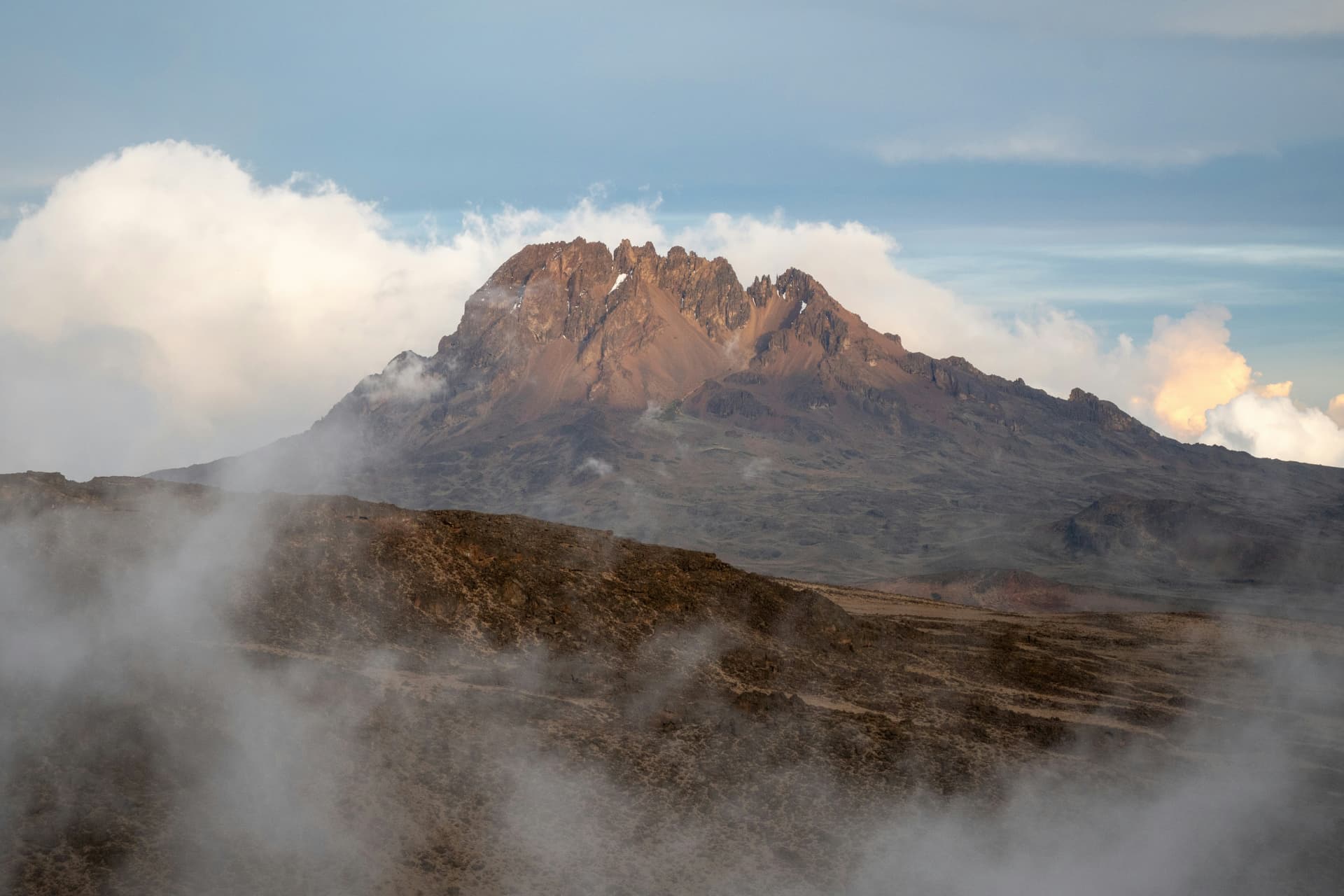
Africa's highest mountain rises to 5,895 metres above northern Tanzania, visible from hundreds of kilometres away and a constant presence in daily life at its base.
Kilimanjaro's height draws in moisture, creating higher rainfall and fertile volcanic soil that supports a noticeably greener landscape than the surrounding plains.
In places such as Marangu, communities have farmed these slopes for generations. Coffee remains the region's main crop, grown much as it has been for decades.
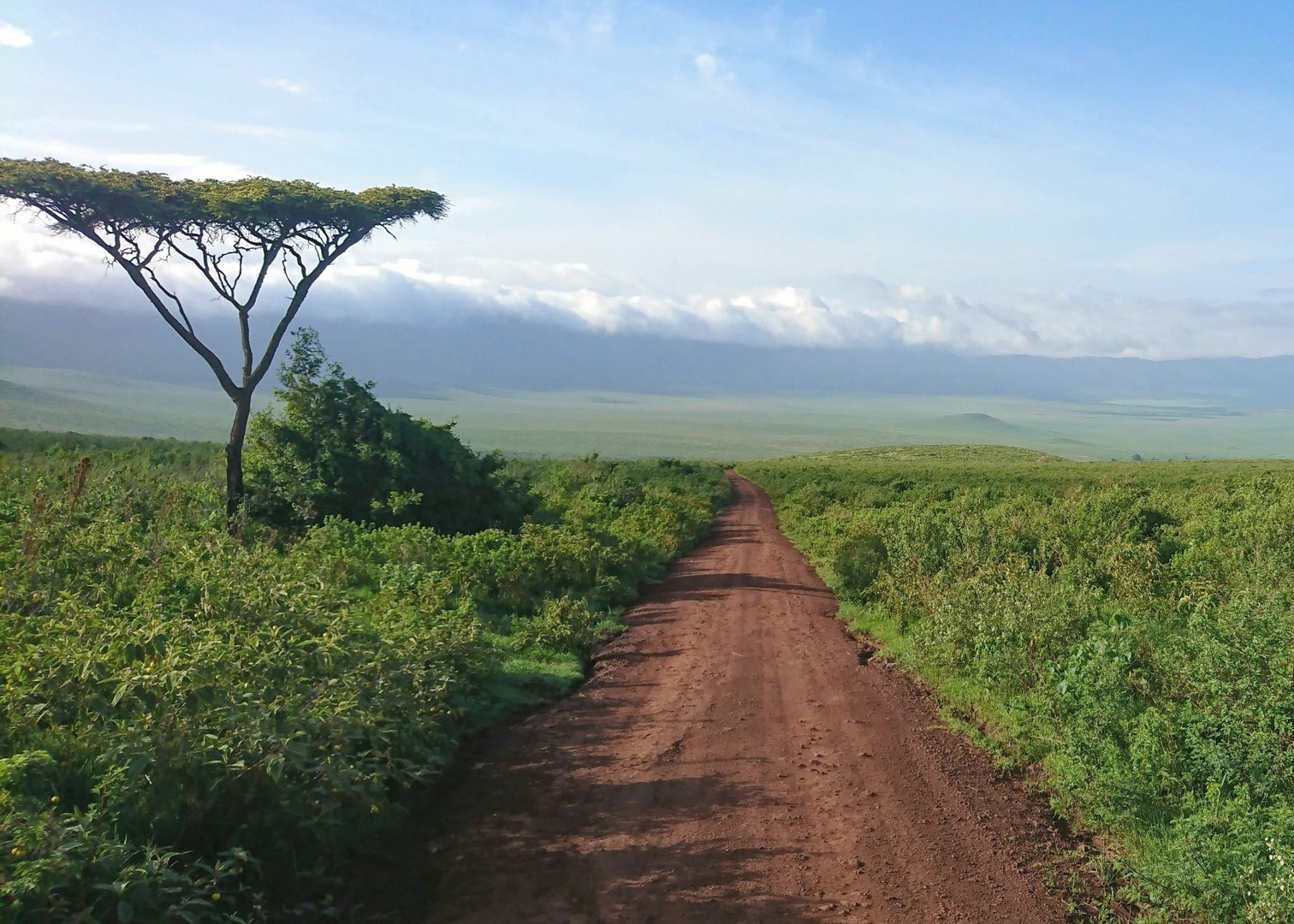
Ngorongoro
Ngorongoro Conservation Area
Formed by volcanic collapse millions of years ago, the Ngorongoro Crater is a natural enclosure where grasslands, freshwater lakes and forest sit side by side within a single, contained landscape.
That's what makes it remarkable. Few places in Africa offer such a high concentration of wildlife within an area this compact and accessible.
Time spent here shows how directly geology shapes life: the crater's walls decide where animals live, how they find water and how different species share the same ground.
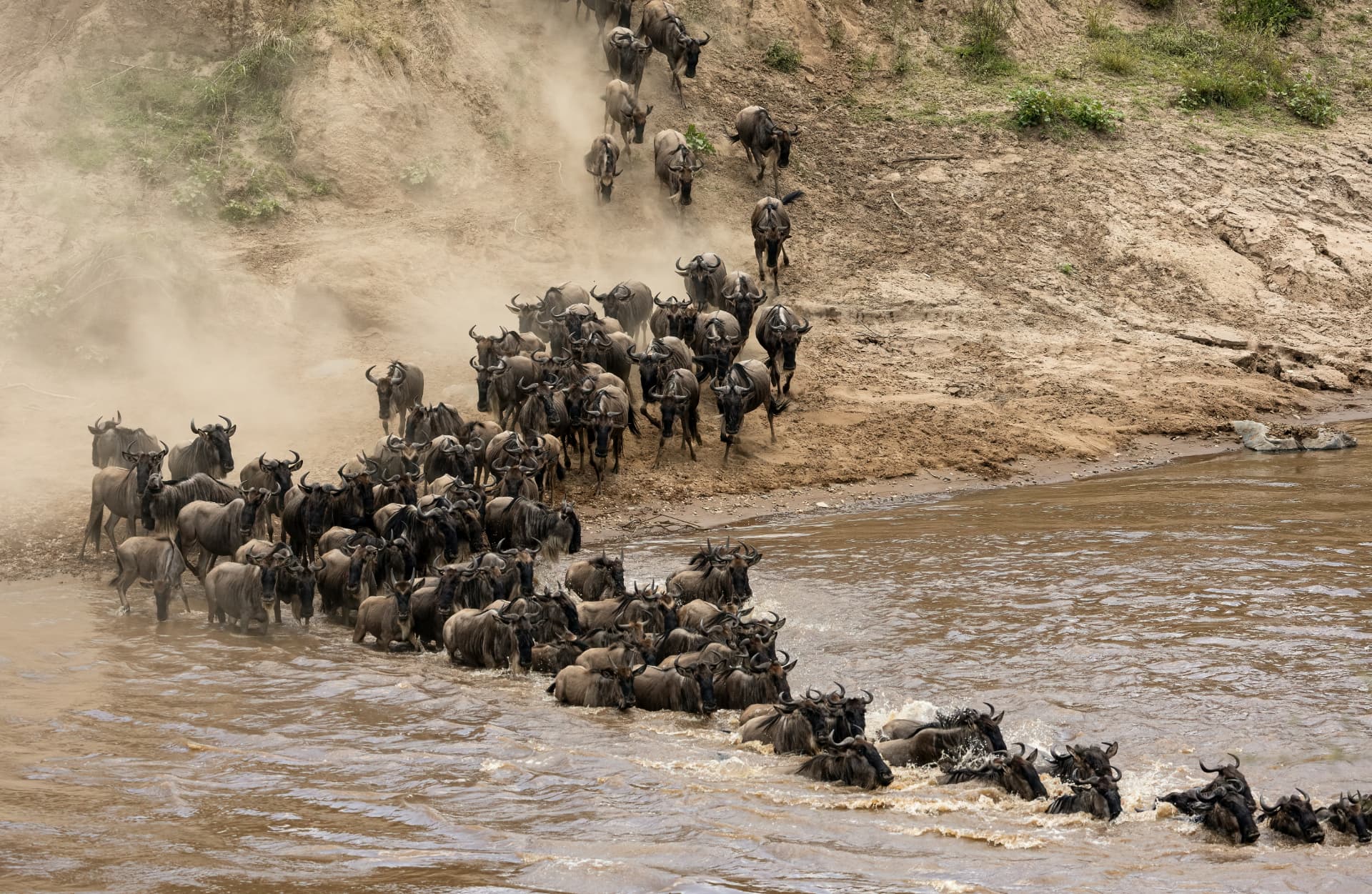
The Great Migration
The Great Migration in the Serengeti
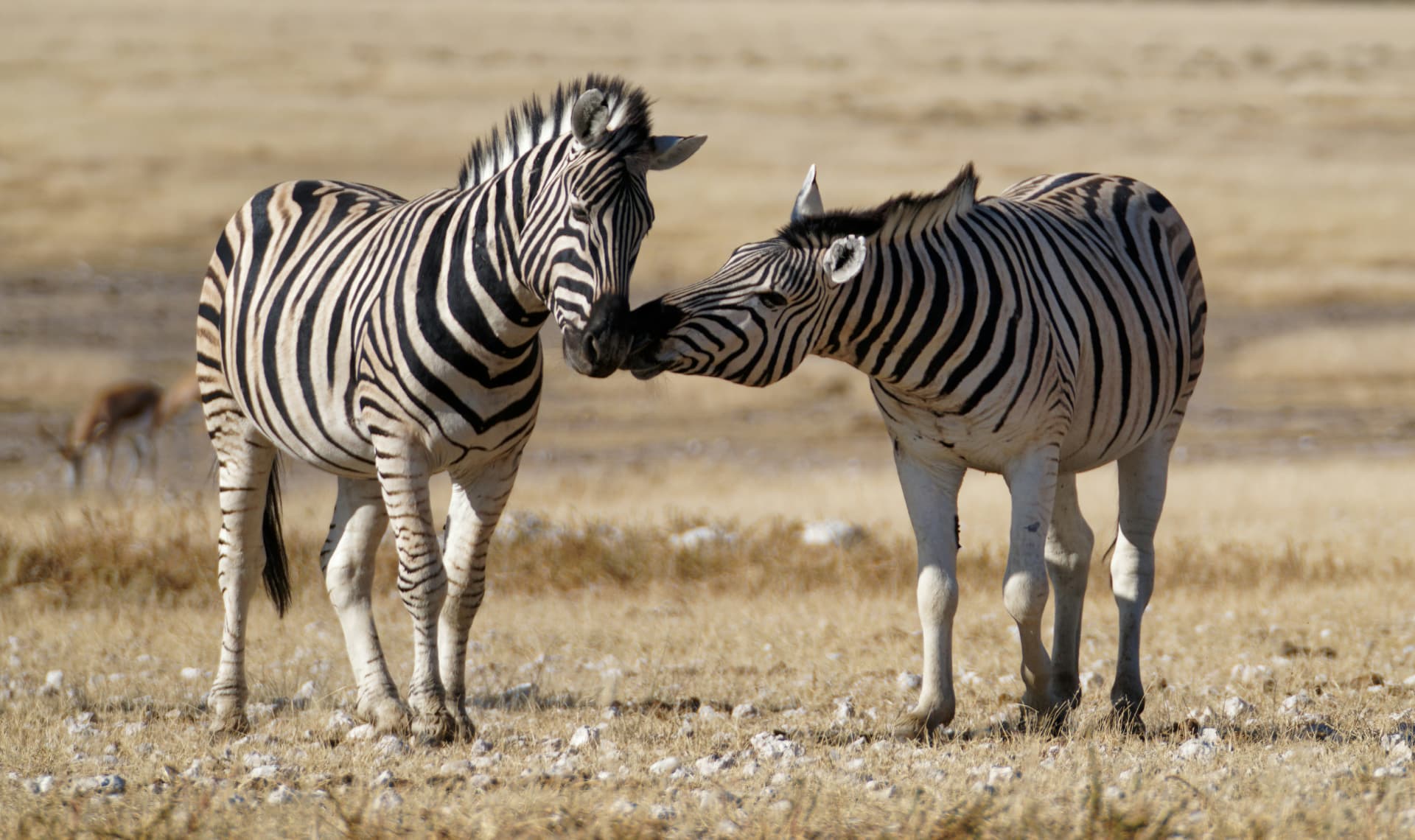
Each year, vast numbers of wildebeest and zebra move across the Serengeti ecosystem in search of fresh grass and water, following rainfall rather than any fixed route.
Known as the Great Migration, this movement gives the Serengeti a constantly shifting character, where the landscape looks and feels different depending on the season.
Witnessing it firsthand reveals how closely animal behaviour follows land, weather and the availability of resources, a cycle repeated year after year.
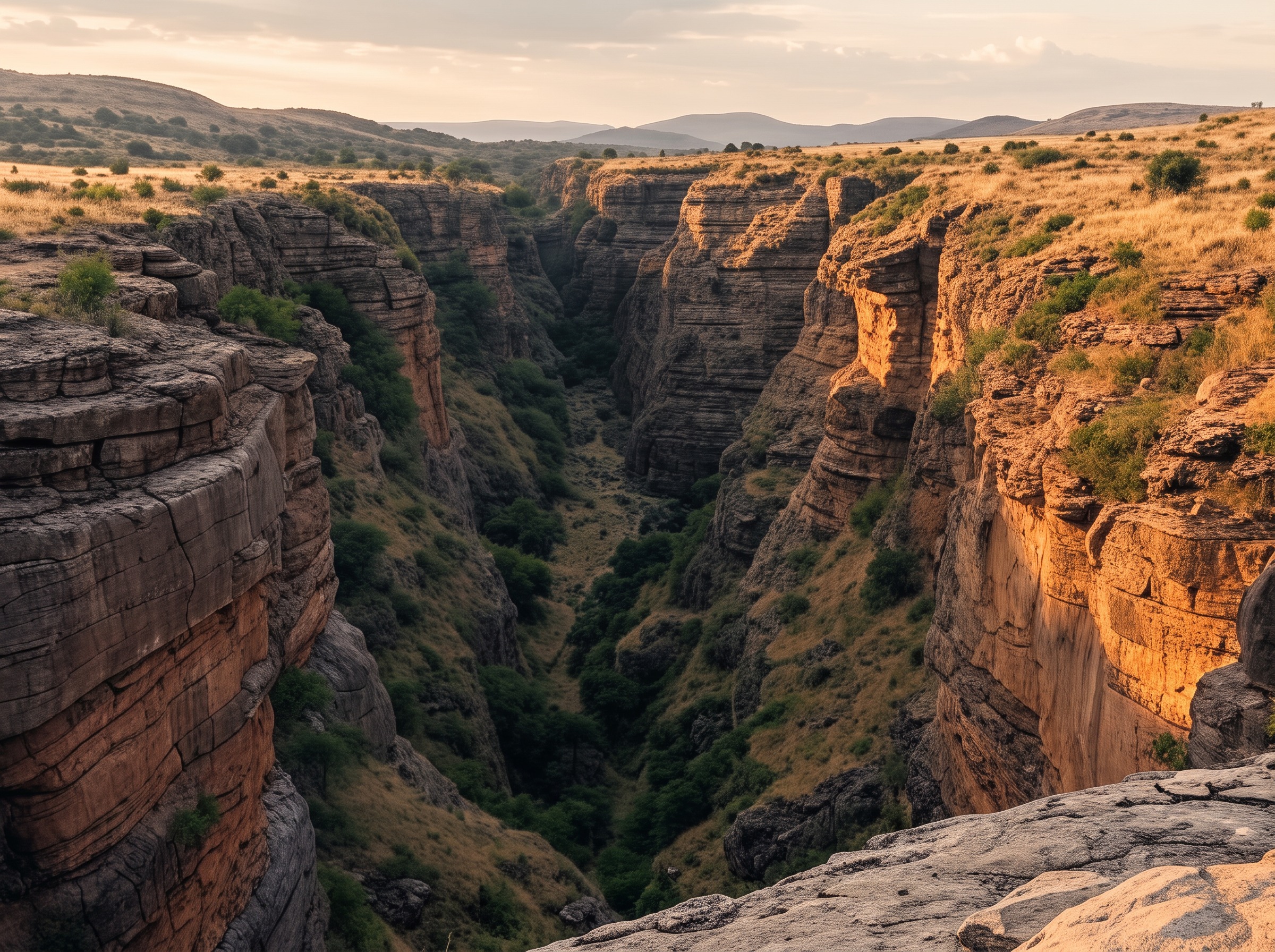
Olduvai Gorge
Ancient History at Olduvai Gorge
Between Ngorongoro and the Serengeti lies Olduvai Gorge, one of the world's most significant archaeological sites and a place central to the story of human evolution.
Some of the earliest evidence of human life, including ancient stone tools and fossils, has been uncovered within its exposed layers of earth.
Passing through Olduvai adds real perspective to a safari journey, a reminder that this landscape carries histories far older than travel itself.
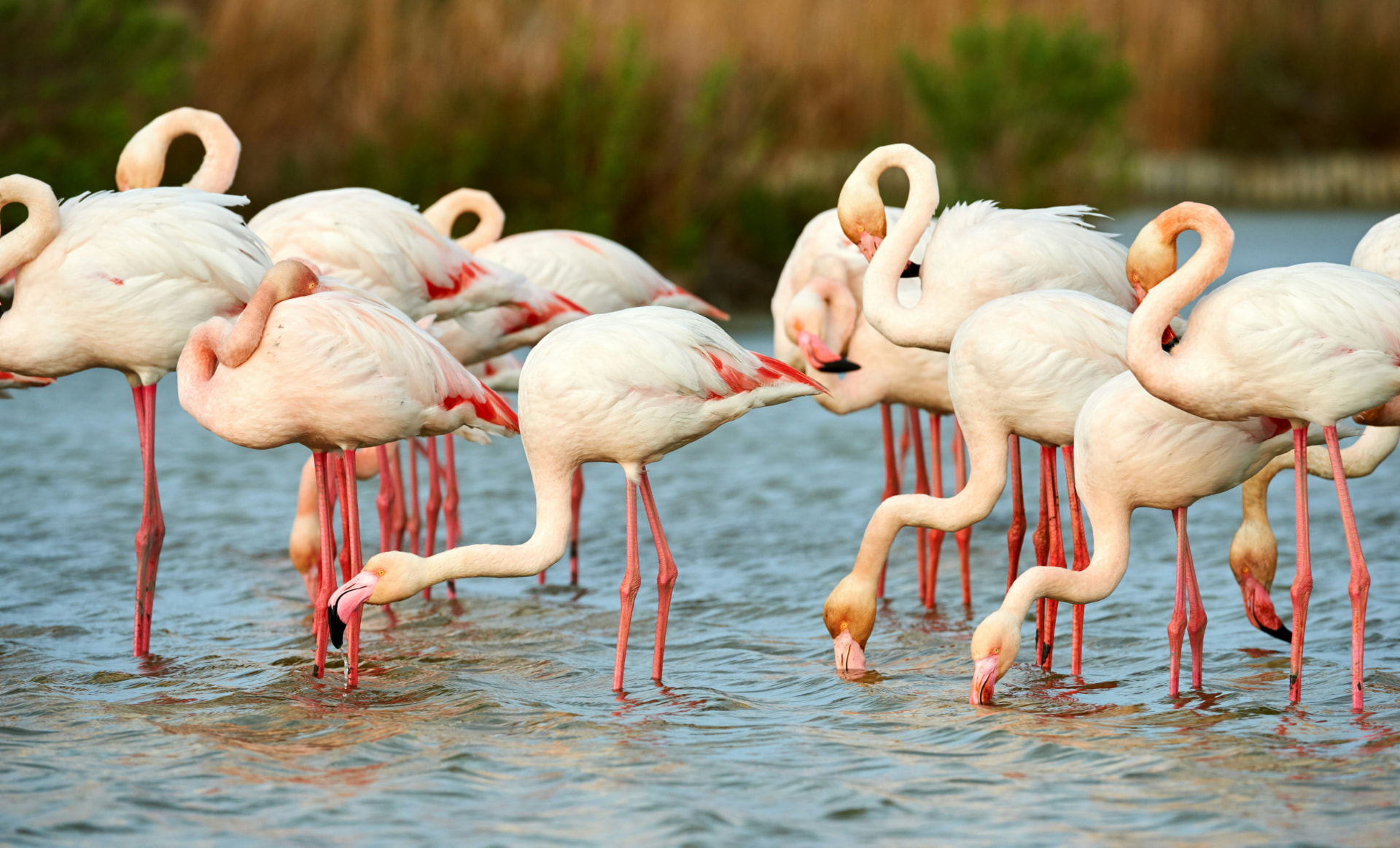
The Lakes
Lakes that Change the Landscape
Water plays a defining role across Northern Tanzania, and nowhere is that clearer than at Lake Manyara, where forest, plains and gently rising hills meet the shoreline.
The lake supports distinct wildlife alongside local communities whose farming and fishing traditions remain closely tied to its seasonal rhythms.
Time spent around Lake Manyara adds real contrast to a longer journey, a reminder of how varied Tanzania's landscapes can feel within a relatively small region.
Tarangire
Tarangire National Park
Water defines Tarangire National Park. During the dry season, the Tarangire River becomes one of the few permanent water sources in the region, drawing large herds from across the surrounding land.
The park is especially known for its ancient baobab trees, some believed to be hundreds of years old and capable of storing water through the driest months.
Tarangire offers a quieter side of Northern Tanzania, where wildlife, landscape and daily life continue to follow the natural rhythm of water and season.
Zanzibar
Zanzibar, as an Extension of the Story
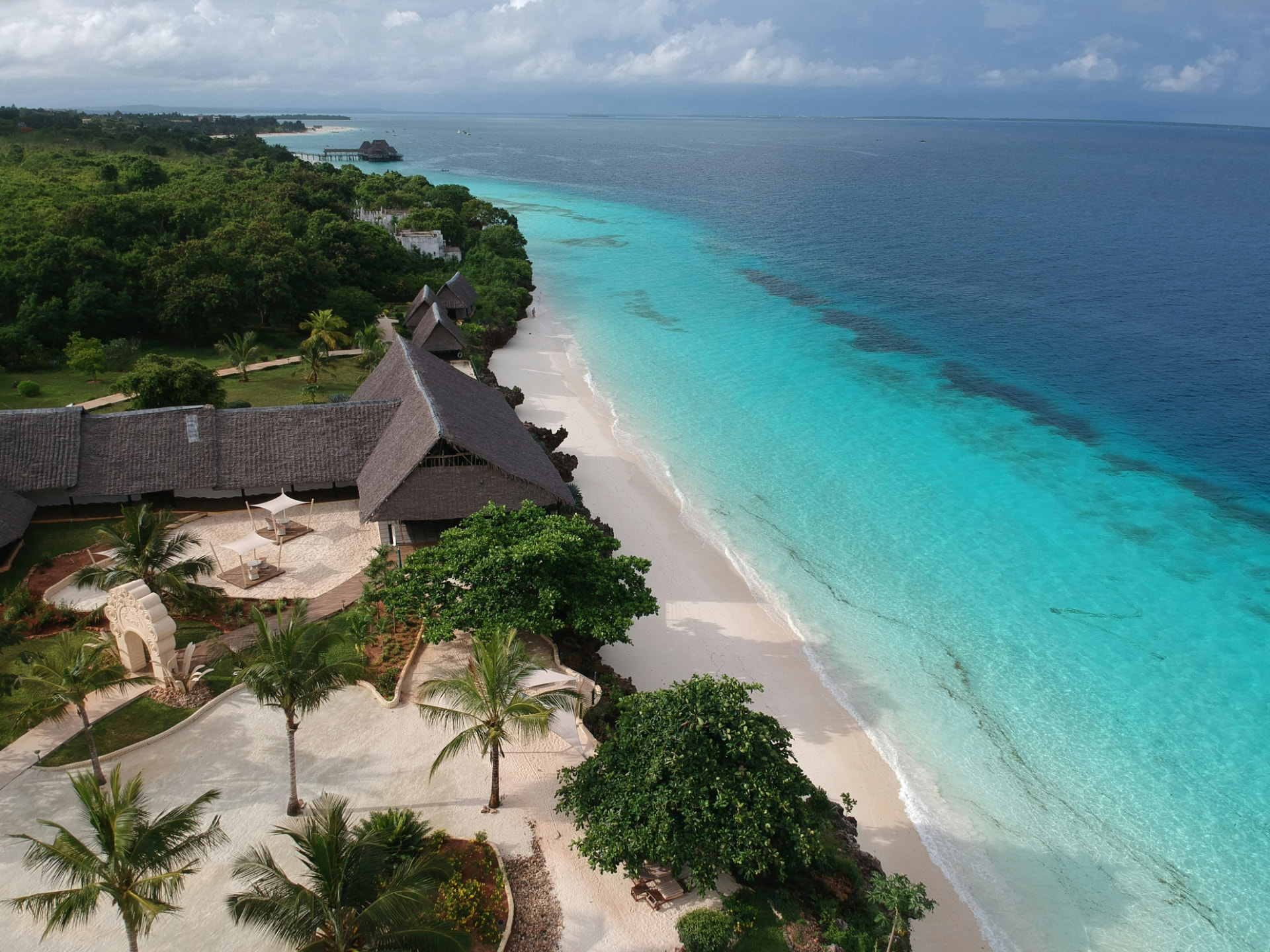
While not part of the mainland safari circuit, Zanzibar is a natural extension for longer journeys through Tanzania, introducing a clear shift in pace after time spent inland.
Centuries of trade and cultural exchange across the Indian Ocean still shape Stone Town today, visible in its historic streets and Swahili, Arab and colonial architecture.
Beyond the town, Prison Island, Nakupenda Sandbank and Jozani Forest reveal a slower, coastal side of the island, a different rhythm entirely from the safari journey inland.